
Pride Programme
Appreciation for Fynbos is deepenedAt the Table Mountain Fund we believe that by immersing oneself in fynbos and gaining a better understanding of the uniqueness of this diverse floral kingdom, one’s appreciation and love for fynbos will grow and one will proudly take up the responsibility of conserving it.
This programme aims to ensure that:
- More people will have meaningful immersive experiences in fynbos and the surrounding marine environment
- More people value the indigenous and endemic fynbos species
- More quality fynbos spaces will be established, especially within an urban context
- The number of tourists visiting fynbos areas will grow
- Youth are educated on the wonders of fynbos
- Knowledge gaps with regards to fynbos conservation are identified and researched.

The Table Mountain Fund aims to contribute R4.5 million towards the Pride Programme, ensuring that individual’s appreciation and love for fynbos will grow and they will become proud custodians of the Cape Floral Kingdom.
Pride Projects:
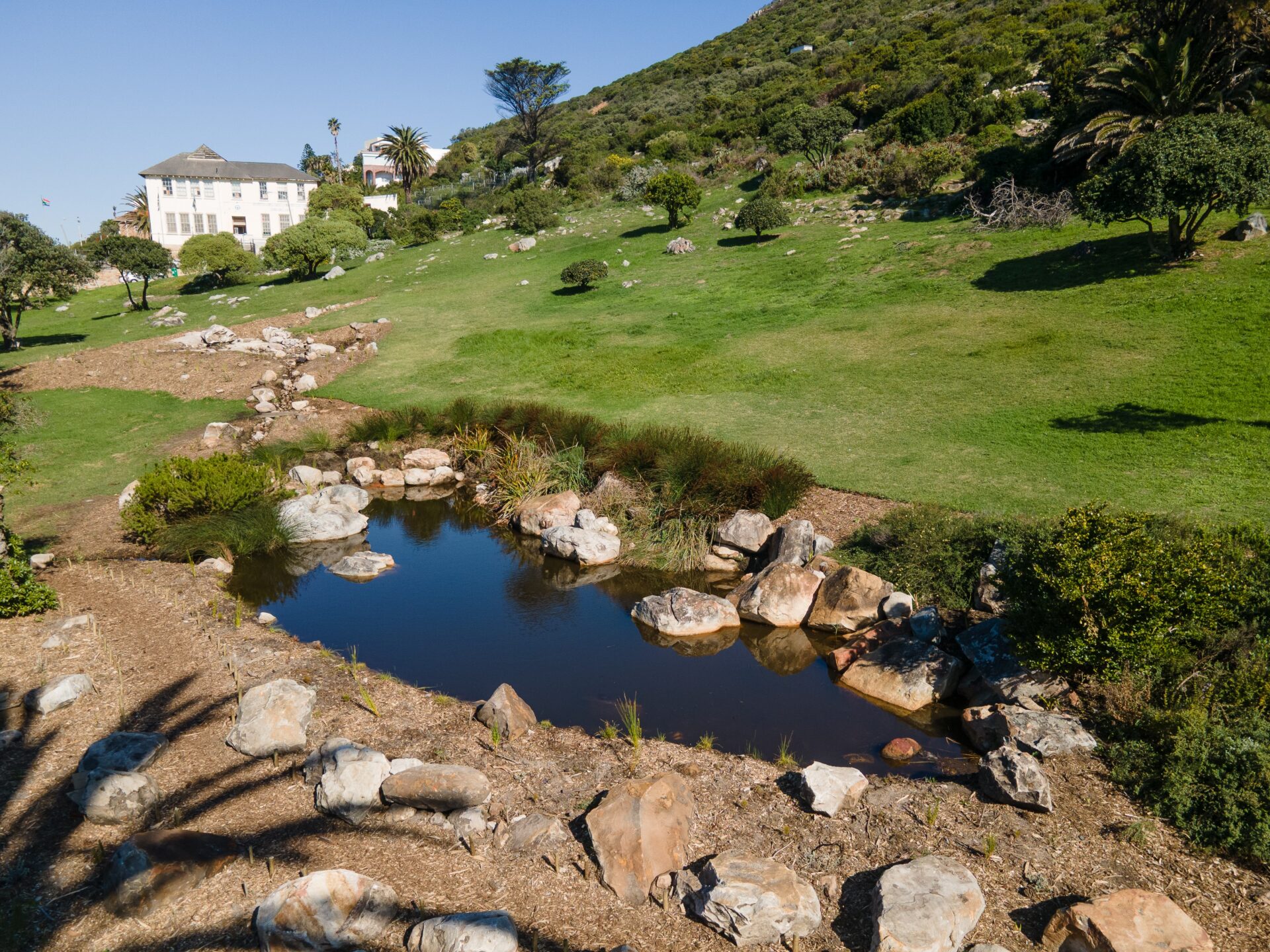
Muizenberg Park Wetland Rehabilitation: Reconnecting Community to Critically Endangered Cape Lowland Wetland Fynbos (Phase 3)
Friends of Muizenberg Park
1 July 2026 – 31 October 2026
This project represents the final phase of a long-term wetland restoration initiative to transform degraded urban land within Muizenberg Park into a functional indigenous wetland fynbos mosaic. Led by the Friends of Muizenberg Park in partnership with FynbosLIFE and the City of Cape Town, the project builds on the successful delivery of Phase 1 (stream and wetland rehabilitation completed in 2024) and Phase 2 (expanded wetland and lily pond restoration completed in 2025), both of which significantly improved biodiversity condition and community use of the park. Phase 3 will focus on restoring approximately 1000 m² of heavily degraded lawn area into high-value wetland habitat through invasive clearing, soil rehabilitation and large-scale planting of locally appropriate and critically endangered fynbos species.

Genadendal Reimagined: Living Heritage, Landscapes & Local Futures
Wild Restoration in partnership with Reweaver Studios
1 August 2026 – 30 September 2027
This Project aims to develop a community-owned biocultural heritage and regenerative tourism model for Genadendal that integrates Local Ecological Knowledge (LEK), fynbos biodiversity, and cultural heritage into a unified Living Heritage offering, anchored at the Genadendal Mission Museum. The initiative responds to the current gap in the Cape Floristic Region, where tourism and conservation efforts often fail to meaningfully integrate biocultural heritage or ensure strong local ownership, resulting in the erosion of intergenerational knowledge and limited community benefit from biodiversity-linked tourism. Building on existing work in Genadendal, including heritage documentation and honeybush bioeconomy research, the Project will systematically capture and revitalise LEK through oral histories, participatory ecological mapping and intergenerational knowledge exchange processes.
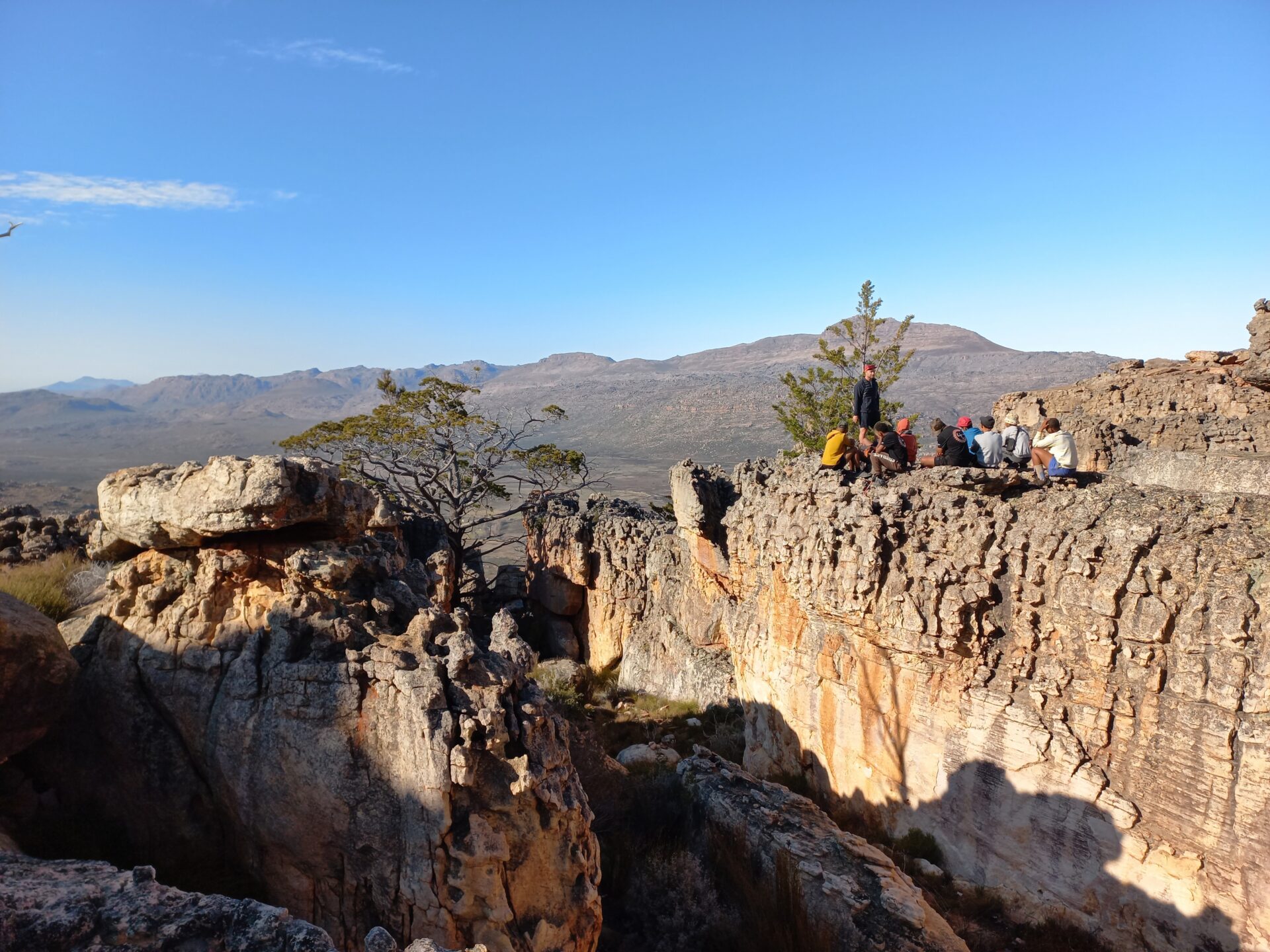
Roots in the Fynbos: Where Cedars and Custodians Grow
Cape Leopard Trust and Sustainable Ceder
August 2026 – August 2029
‘Roots in the Fynbos: Where Cedars and Custodians Grow’ is a collaborative wilderness education programme designed by the Cape Leopard Trust and Sustainable Ceder to reconnect young people with the beauty and fragility of the Cape Floristic Region. Through a series of two-night wilderness camps, learners explore the Cederberg mountains, discover the remarkable diversity of the fynbos biome, deepen their understanding of nature conservation, and take part in hands-on restoration efforts of the critically endangered Clanwilliam cedar tree. The plight of the cedar trees and the leopards of the Cederberg mountains offer a powerful opportunity to cultivate empathy, shift perceptions, and inspire commitment to conservation. By connecting young people with their natural heritage, this programme aims to nurture informed, resilient, and passionate custodians who are equipped to help protect the Cape Floristic Region.
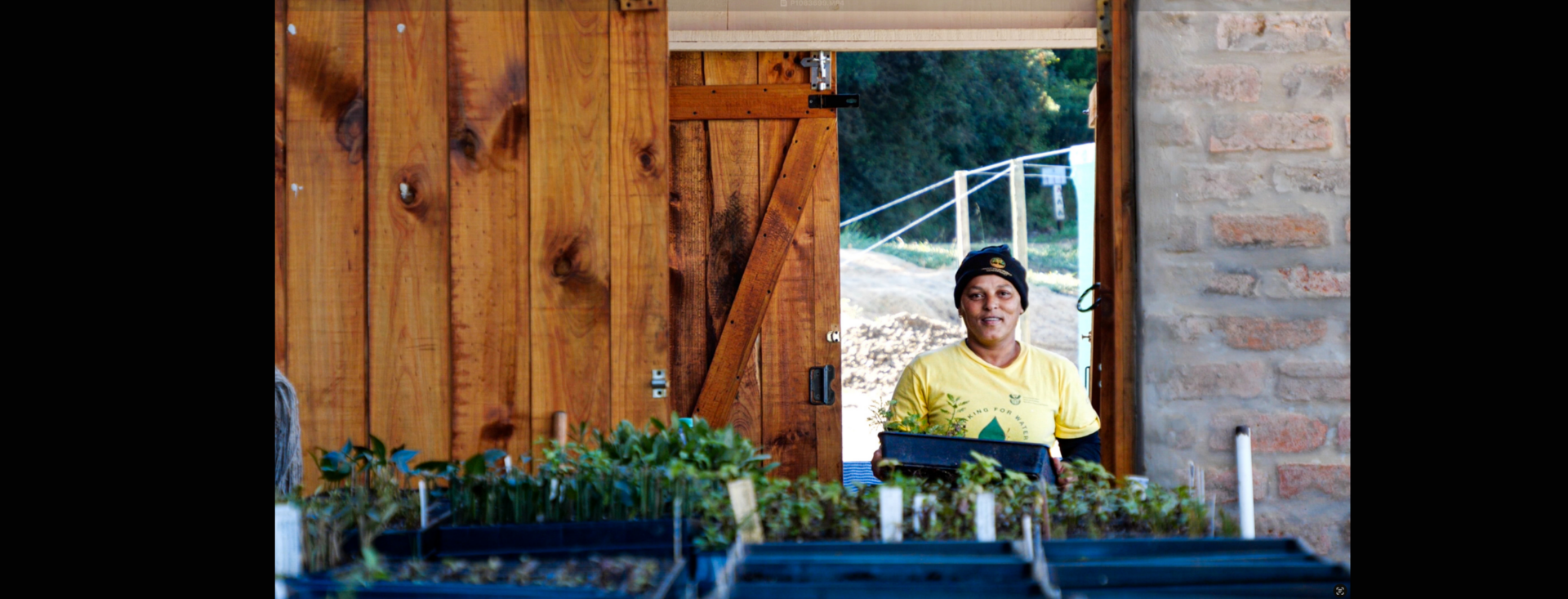
Growing Pride: Community champions for indigenous green spaces
Grootvadersbosch Conservancy Trust
1 August 2026 – 30 September 2028
The aim of this project is to respond to an emerging shift from restoration work being seen as a purely income-driven activity towards developing a meaningful appreciation for the ecological, cultural and practical value of fynbos in everyday life, as well as seeking to foster long-term stewardship and pride in indigenous biodiversity. The project will engage approximately 48 participants from local contractor teams through introductory workshops designed to build foundational awareness and understanding of indigenous vegetation. From this cohort, individuals will be identified for more detailed engagement, including baseline assessments and the selection of eight local “community champions” who will receive targeted support to establish small, locally owned indigenous green spaces within their own communities. These spaces, including backyard and community-scale plantings focused on cultural and medicinal species, will serve as demonstration sites that strengthen local identity, enable knowledge sharing, and support wider replication of indigenous planting and stewardship practices.
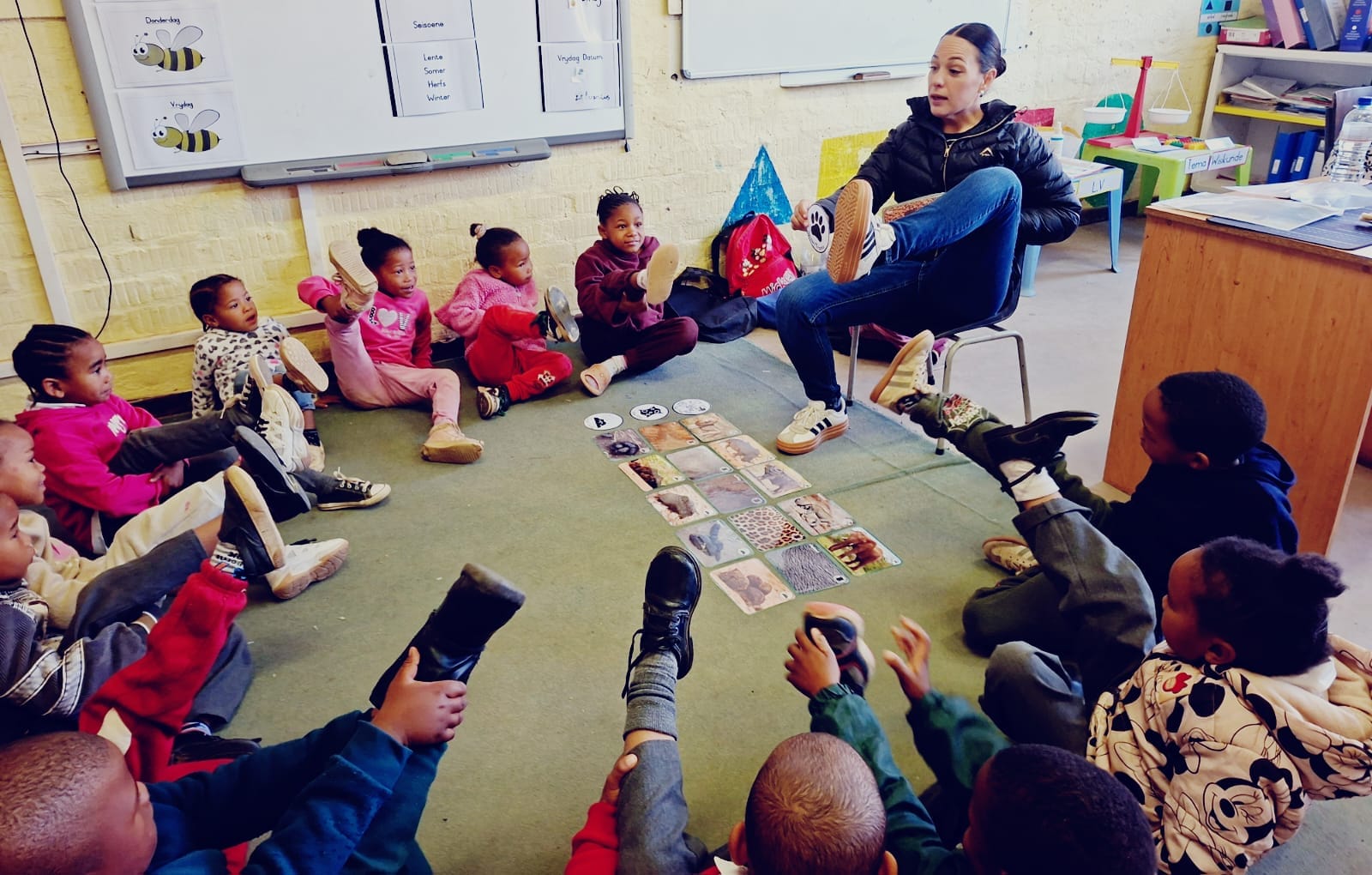
Wild Hearts Connecting Communities to Conservation
Made Better Together Foundation
1 August 2026 – 30 September 2029
This Project aims to connect pre-school children in the Cape Floristic Region (CFR) to the natural world through structured, curriculum-aligned environmental learning which is designed to build early awareness, curiosity and care for nature. WILD HEARTS Environmental Education Project will be implemented by the Made Better Together Foundation, together with Sanbona and SANParks in the Barrydale/ Montague area and the South Peninsula in Cape Town. The programme introduces learners to key ecosystems of the fynbos biome, including wetlands, pollinators, indigenous plants and wildlife, using 18 interactive lessons delivered through play-based, story-driven and hands-on learning approaches. By fostering emotional connection to nature at an early age, the project aims to nurture long-term environmental awareness and stewardship of the CFR. The Project entails the training and mentoring of 32 early childhood development teachers who will present 18 fynbos-specific structured learning experiences reaching approximately 1800 children as well as the facilitation of immersive nature-based experiences at sites such as Sanbona Wildlife Reserve and Cape Point.
Renosterveld-skool: Learning from the Last Renosterveld
Overberg Renosterveld Trust
1 August 2026 – 30 September 2029
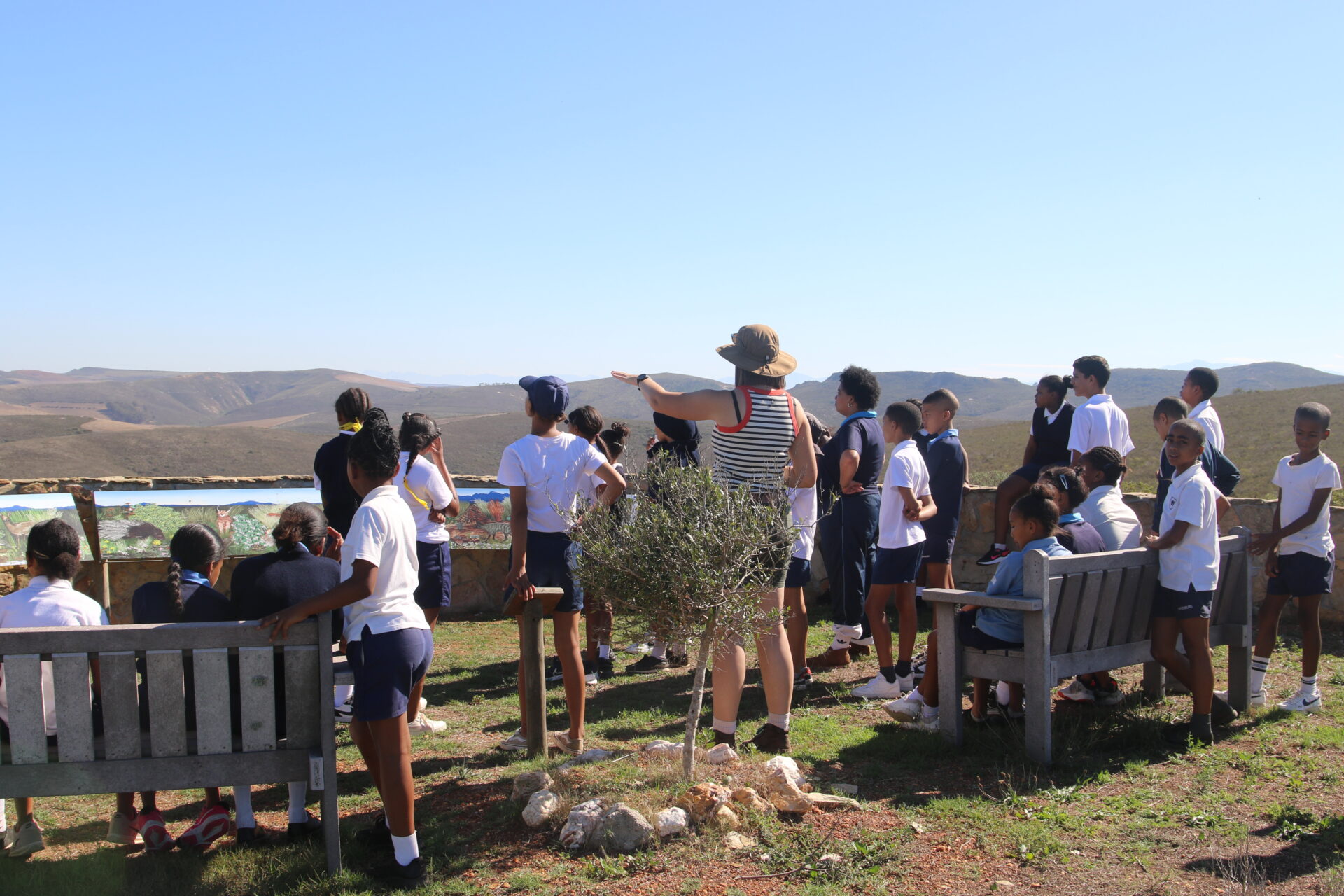
This Project aims to strengthen environmental awareness, stewardship and pride in one of the most threatened ecosystems in the Cape Floristic Region (CFR) through immersive, place-based learning for rural learners. With less than 5% of lowland renosterveld remaining, the programme responds to the urgent need to reconnect nearby communities with this highly fragmented landscape by providing structured field-based learning at Haarwegskloof Renosterveld Reserve and surrounding renosterveld sites. Learners will engage directly with biodiversity, ecological processes and conservation challenges through guided veld experiences, with educators extending learning through school-based outreach when access to the reserve is not possible. The programme also strengthens educator capacity to integrate biodiversity themes into classroom teaching, while fostering curiosity, teamwork and ecological understanding through ongoing engagement with threatened renosterveld ecosystems.
Once were here
University of Cape Town
1 August 2026 – 30 September 2028
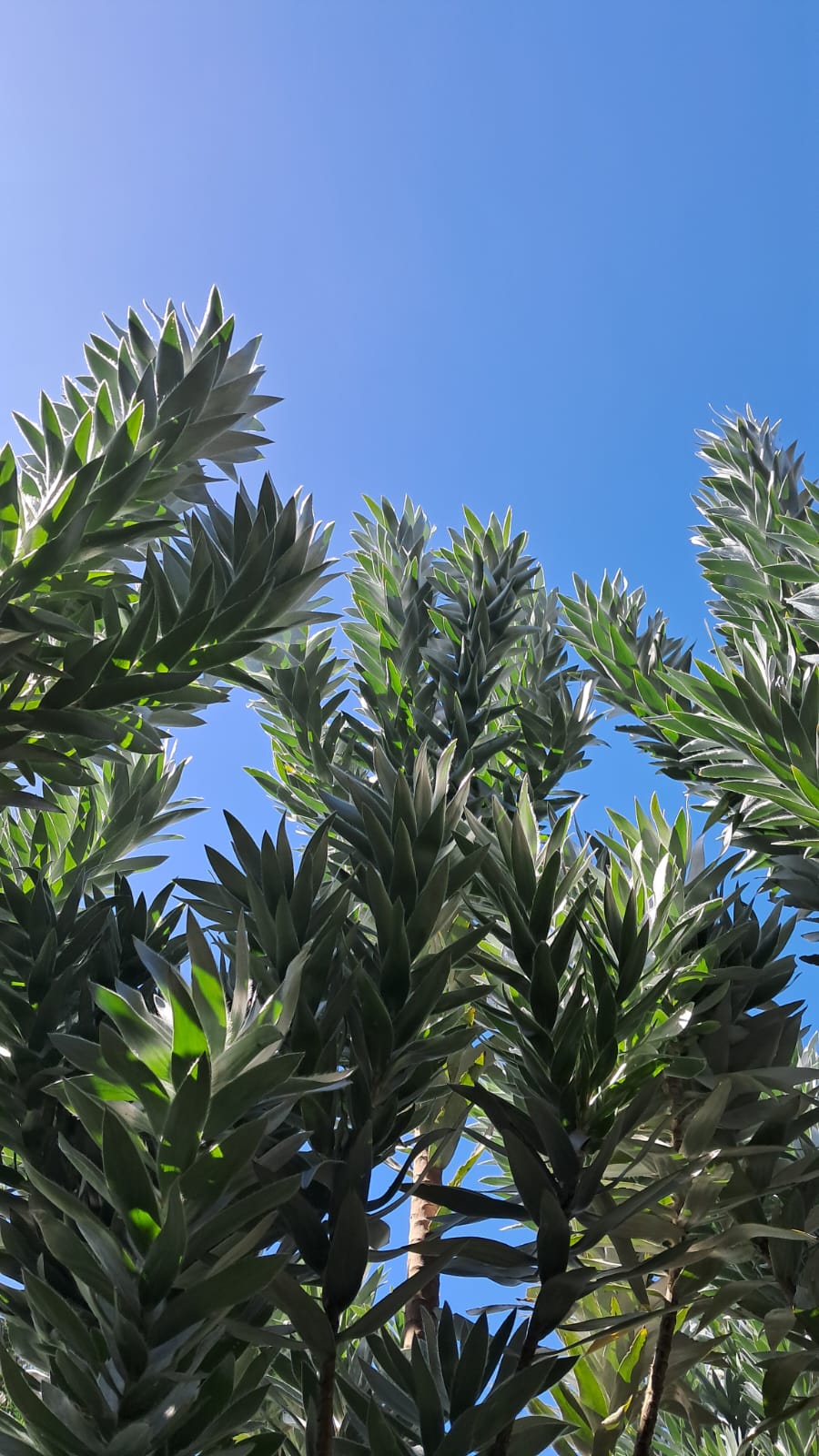
This Project aims to create a large-scale street art mural depicting a stylised forest of Leucadendron argenteum (Silver Tree) on the walls of a highly visible motor underpass in Woodstock. The Project responds to the loss of indigenous shale fynbos landscapes that historically existed in this area, using the iconic and endangered Silver Tree as a focal species to evoke awareness of ecological heritage, urban transformation and the historical displacement of indigenous biodiversity. By re-imagining the urban landscape through art, the Project seeks to reconnect the public with what has been lost in the natural environment and to foster pride in South Africa’s endemic flora within a heavily urbanised setting. The mural will span approximately 20m x 5m and will be complemented by the planting of 10 -15 Silver Trees on adjacent slopes to reintroduce indigenous vegetation into the immediate environment. The Project will actively involve students from the University of Cape Town (UCT), University of the Western Cape (UWC) and Queens Park High School in the creation process, expanding environmental learning through participatory art-making. A QR code integrated into the mural will link to additional educational content, including information on fynbos biodiversity, conservation status, and a short documentary on the making of the artwork. Positioned in a high-traffic urban corridor, the installation is designed to reach a wide and diverse audience, using public art as a medium to build awareness, curiosity and appreciation for fynbos conservation.

Daring Disas Part 2: Youth in Conservation
Brave Rock Girl
1 August 2024 – 30 September 2027
This project aims to provide youth from the Cape Flats (predominantly girls) with meaningful immersive experiences in the Cape Floristic Region and to encourage them to value, respect and develop an appreciation for fynbos. Through monthly workshops, attending of camps and conservation events, adventure, conservation and educational holiday programmes and conservation career days, this project will assist youth in gaining the skills and confidence required to become decision makers and to speak up to protect the environment and themselves while urging their families and communities to join them.

Rivers of tomorrow: Youth led state of the river reporting
Grootvadersbosch Conservancy Trust
1 October 2024 – 30 November 2027
The project aims to enrich rural youth’s understanding and appreciation of freshwater systems in the Greater Cape Floristic Region. This will be accomplished by creating five “state of the river” reports using data from local miniSASS and SASS5 activities conducted near areas where youth live and play. The project will support a national citizen science initiative for river health reporting and encourage local organizations to produce similar reports for their own catchments. This initiative will raise awareness among youth, foster local conservation efforts, and help hold decision-makers accountable for implementing improvements in river health.

Conservation Leadership Programme
Nature Connect
1 October 2024 – 30 November 2027
The Conservation Leadership Programme is a cornerstone of Nature Connect’s environmental education strategy and combines conservation education with life skills and leadership training to inspire a new generation of conservation leaders. This programme recognises that deep environmental transformation requires a multi-faceted and holistic approach with repeated interventions proving more effective in fostering change. Therefore, this programme works with youth for a period of seven years, from the ages of about 11 to 18. Since 2013, there have been seven cohorts, each comprising 15 to 24 youth. This project will support another three years of this programme.
OUR OTHER PROGRAMMES

FYNBOS FOREVER PROGRAMME

PROSPERITY PROGRAMME

CARE PROGRAMME